Portland, Oregon · Residential landscape design and build · Since 2013
Designed for year seven.
Every new garden looks thin the day it goes in. We design for the year it doesn’t — and we will show you that year before you spend anything.
- Design phase
- From $3,800
- Where we work
- Portland metro and the west side
- Oregon LCB
- DEMO-LCB-9482
Legend — what is in the frame
- POMPolystichum munitum — western sword fern
- ACCAcer circinatum — vine maple
- GASGaultheria shallon — salal
- ASCAsarum caudatum — western wild ginger
Year nine, OctoberEvery plant in this frame went in at roughly a third of the size it is now.
Drag it. Watch the gaps close.
A real planting scheme from a garden in Alameda, drawn in section. Every plant grows at its own rate to the size it actually reaches here — not the size on the nursery label.
Watch the red-flowering currant after year six. It is supposed to do that.
InstallRoughly forty per cent of this bed is bare mulch on the day it goes in, and it should be. The spacings are set to mature spread, not to how it looks when the truck leaves.
Plant schedule
Sizes update with the control above. Select a plant to pick it out of the drawing.
| Code | Botanical name | Common name | At year 0 | At maturity |
|---|---|---|---|---|
| CAO | Carex obnupta | slough sedge | 1 ft × 1 ft | 3 ft × 3 ft |
| JUP | Juncus patens | spreading rush | 1 ft × 1 ft | 2.5 ft × 2 ft |
| POM | Polystichum munitum | western sword fern | 1 ft × 1 ft | 3.5 ft × 4 ft |
| TEG | Tellima grandiflora | fringecup | 1 ft × 1 ft | 2.5 ft × 1.5 ft |
| ACC | Acer circinatum | vine maple | 6 ft × 4 ft | 18 ft × 16 ft |
| RIS | Ribes sanguineum | red-flowering currant | 2.5 ft × 2 ft | 8 ft × 7 ft |
| BLS | Struthiopteris spicant | deer fern | 1 ft × 1 ft | 2 ft × 2.5 ft |
| ASC | Asarum caudatum | western wild ginger | 0.5 ft × 1 ft | 0.5 ft × 4 ft |
| VAO | Vaccinium ovatum | evergreen huckleberry | 1.5 ft × 1.5 ft | 6 ft × 5 ft |
| STP | Stewartia pseudocamellia | Japanese stewartia | 8 ft × 4 ft | 25 ft × 18 ft |
| MAN | Berberis nervosa | Cascade Oregon grape | 1 ft × 1 ft | 2.5 ft × 3 ft |
| GAS | Gaultheria shallon | salal | 1 ft × 1 ft | 4 ft × 6 ft |
This is a planting plan doing what planting plans do. The design phase is $3,800 and produces yours — planted for year seven, not for install day.
Year one, year four, year nine.
Nobody publishes the first one. It is the one you will be standing in next spring.
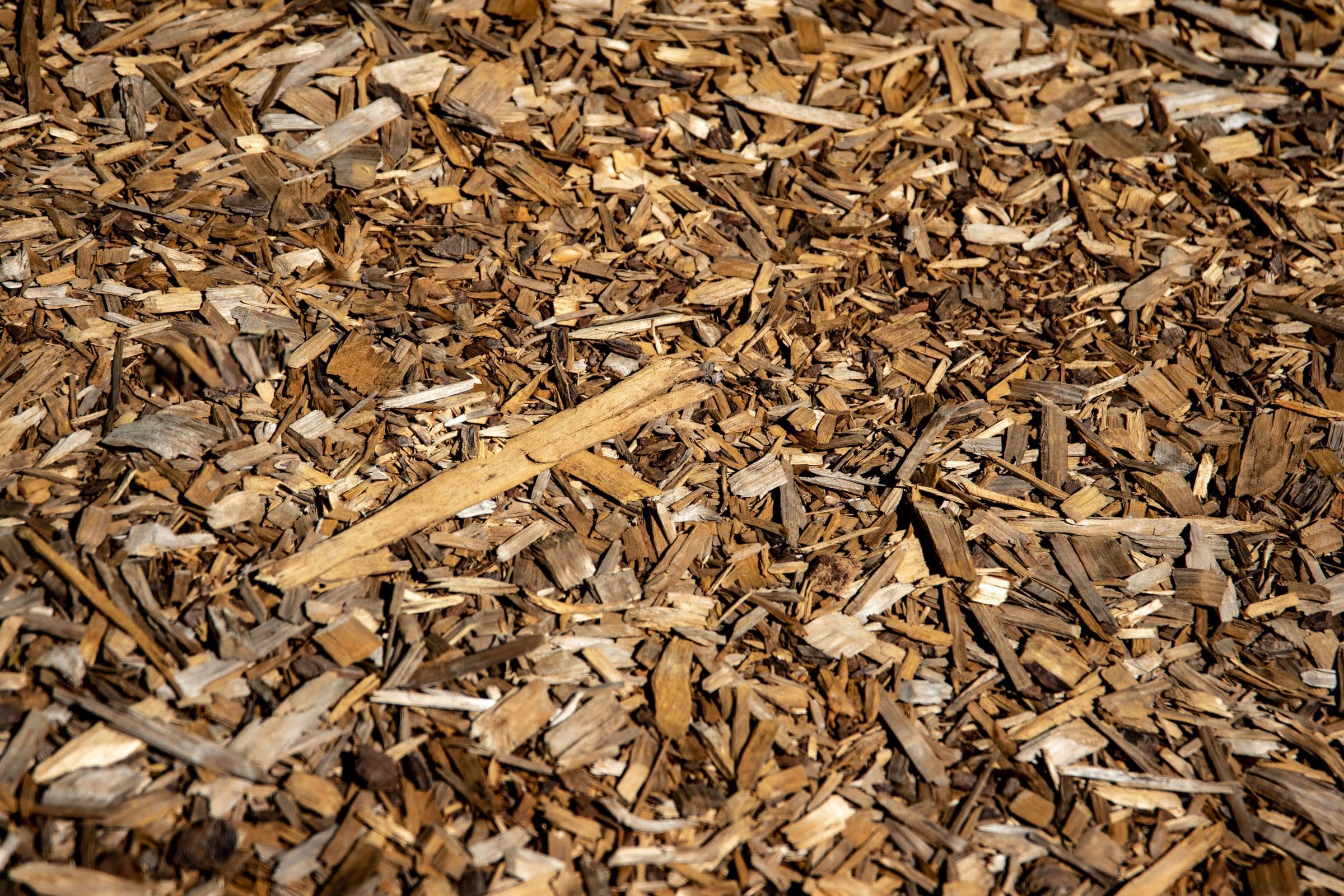
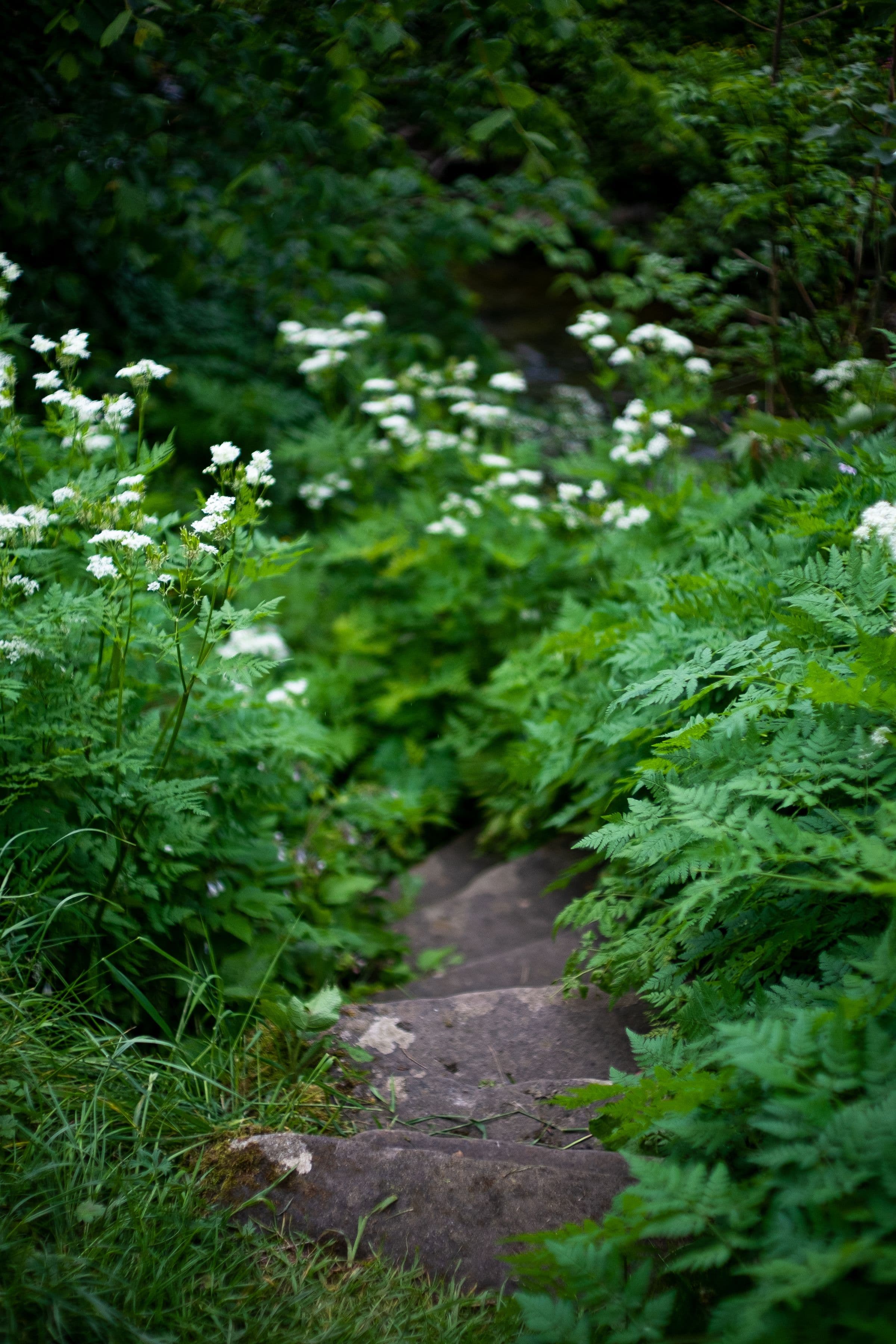
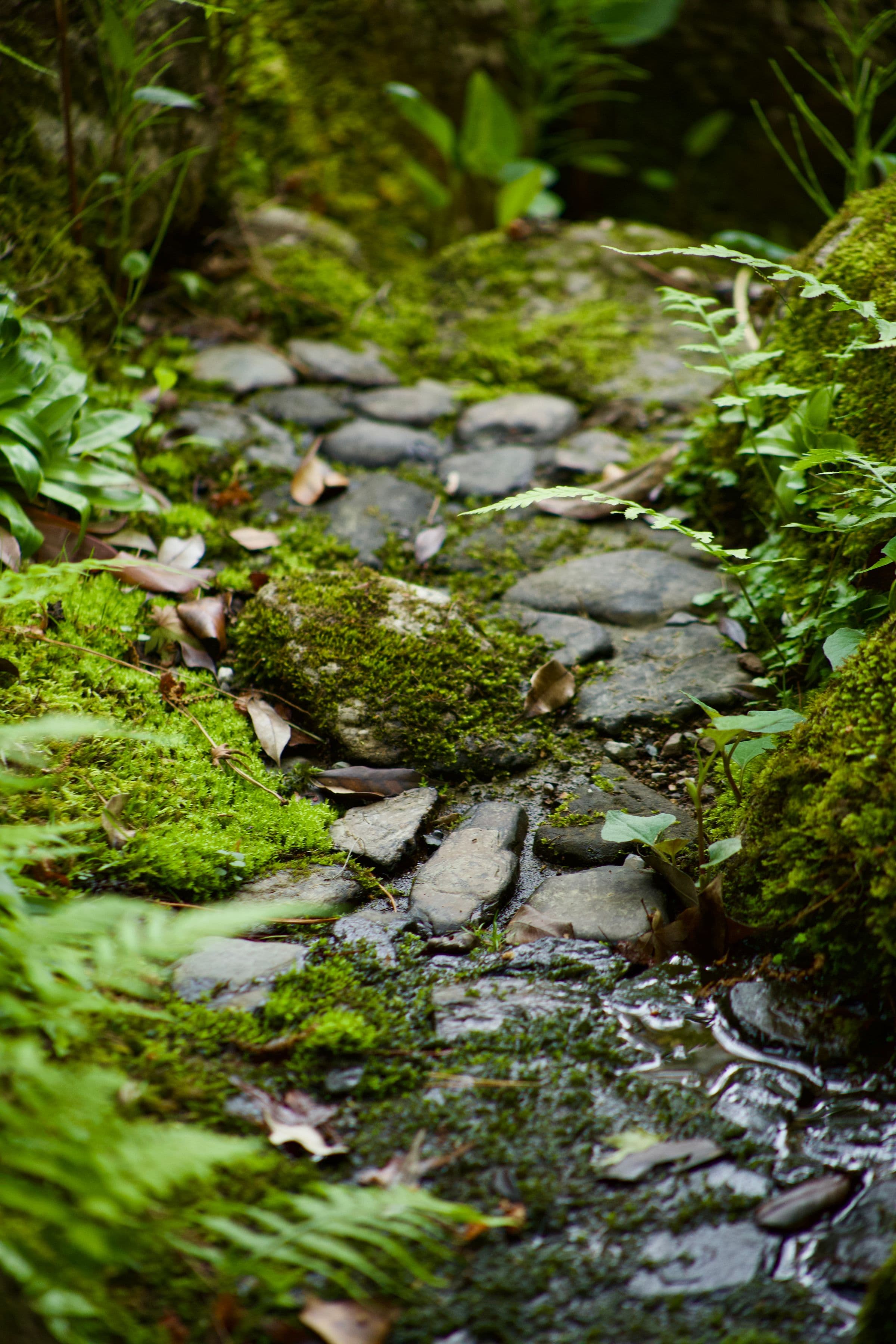
Three gardens at three ages, not one garden three times — we would rather say so than let you assume otherwise. Every photograph on this site carries the age of the planting.
A third of your budget goes underground.
It is the line clients try to cut, and the only line that decides whether the garden is alive in ten years. Plants are cheap and replaceable. The ground they are in is neither.
- Share of a build
- 18–30%
- Soil and drainage
- Time on site
- 2 days
- Ripping and amending
- Visible afterwards
- None
- Nothing to photograph
- Left — four inches of imported mix spread over ground that a machine has driven on. The plants root into the good layer, meet the compaction pan, and turn sideways. They survive for two or three years on irrigation and then die in the first dry August.
- Right — the subsoil is ripped to eighteen inches before anything is imported, so there is no boundary for a root to stop at, then eight inches of amended topsoil over the top.
A new garden needs looking after. Here is exactly what, and what it costs.
Years one to three
- Deep watering twice a week through the first summer
- Weeding before anything sets seed
- An inch of compost over the beds each March
- Formative pruning from year two — twenty minutes, three times a year
- No fertiliser. It is not that kind of planting
If it does not get it
Bindweed and blackberry establish in the open ground before the planting closes over it. Half your plants spend three years competing with weed roots instead of growing.
By year three you have a bed with permanent gaps — the exact thing you paid us to avoid — and a perennial weed problem that costs more to fix than the maintenance would have.
What it costs
- Per visit
- $340
- A year, on a $60,000 garden
- $6,800
- Cadence
- Every 3 weeks
- March to October, monthly through winter
No contract. Stop it at the end of any season.
Rather do it yourself? We spend two hours with you in the garden in April of year one, showing you what to cut and what to leave. Included in every build.
Rather someone else did? Ask, and we will name two firms we would trust with our own work. We are not offended.