- Sheet
- L-4.1
- Subject
- The garden under the maple
- Locality
- Ladd's Addition
- Scale
- Installed 2017
Year nine
The garden under the maple
A hundred-year-old bigleaf maple, a lawn that had not worked under it for a decade, and owners who wanted to stop fighting the tree.
The lawn was the problem and the tree was not. Acer macrophyllum is a surface-rooting species and it had won — the grass was thin, the soil was dry by June under a canopy that sheds very little rain through, and every attempt to improve it involved cultivating the root plate of a protected tree.
So we stopped. We removed the turf by hand rather than by machine, brought in no more than three inches of compost over the root zone so as not to smother it, and planted small — one-gallon stock and bare-root ferns, because small plants establish under root competition and large ones sulk and die.
The client found the first two years difficult, and said so. It looked sparse, it was sparse, and we had told them it would be. In year three the fern layer closed. In year six they stopped being able to see the fence.
Across 9 years
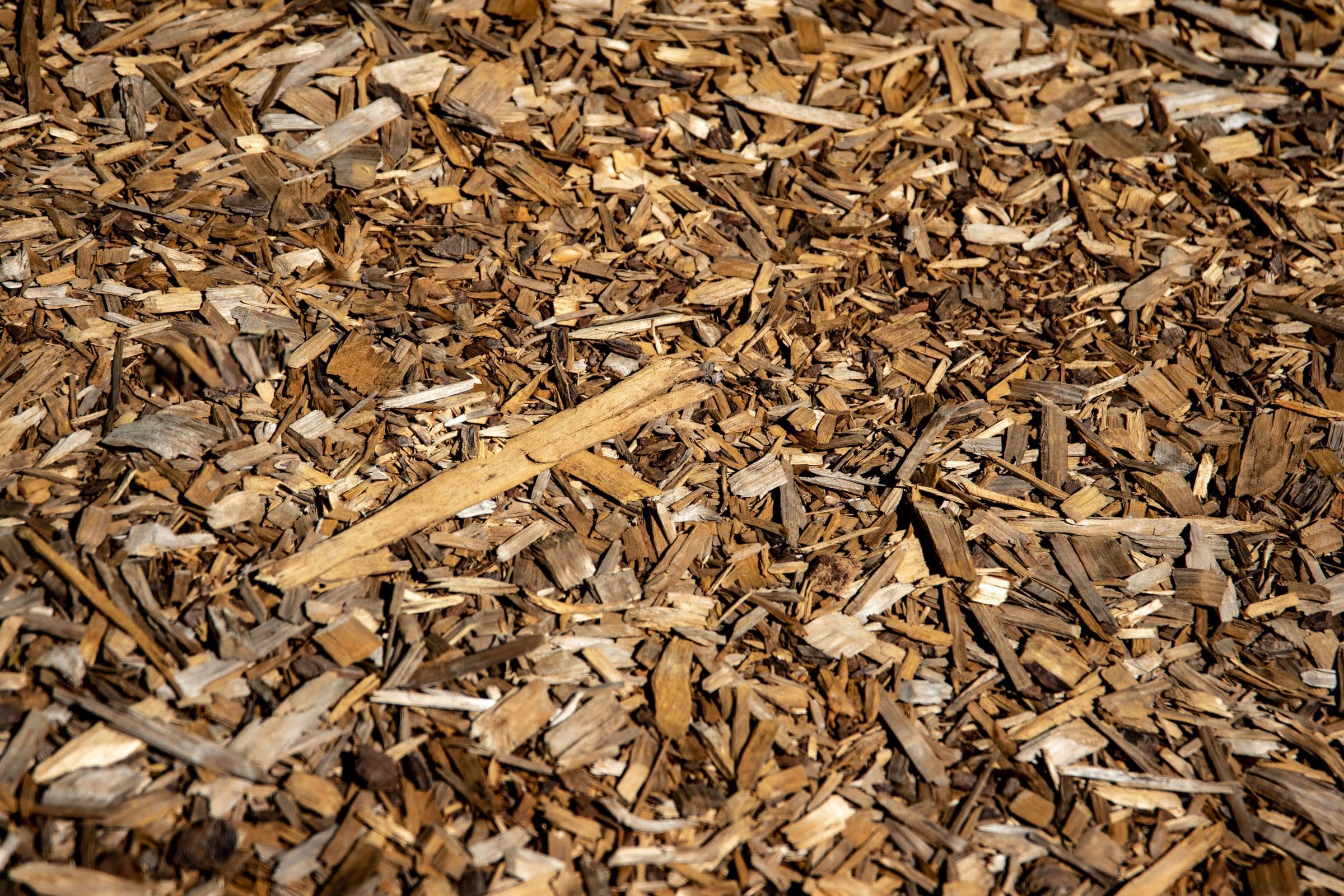
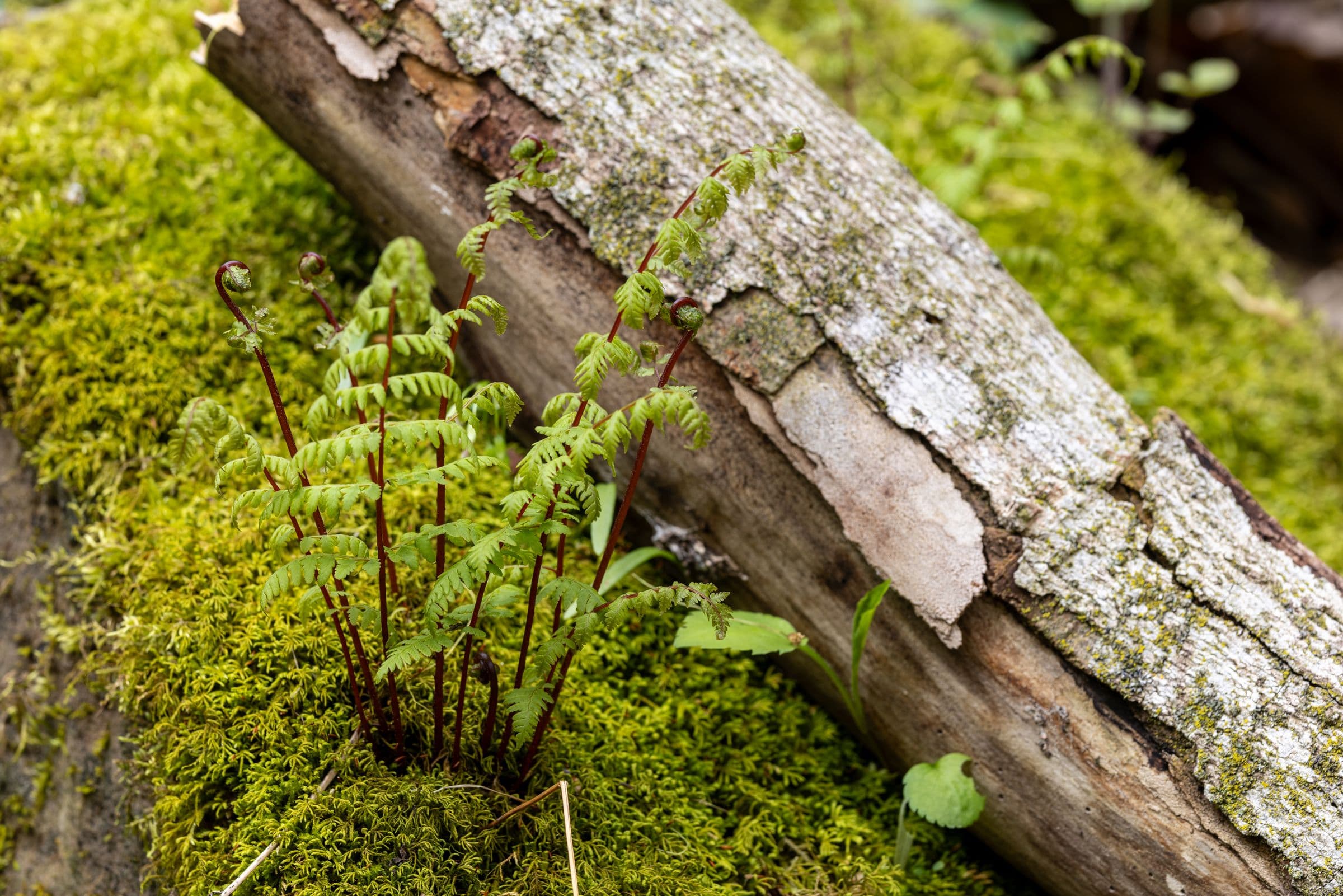
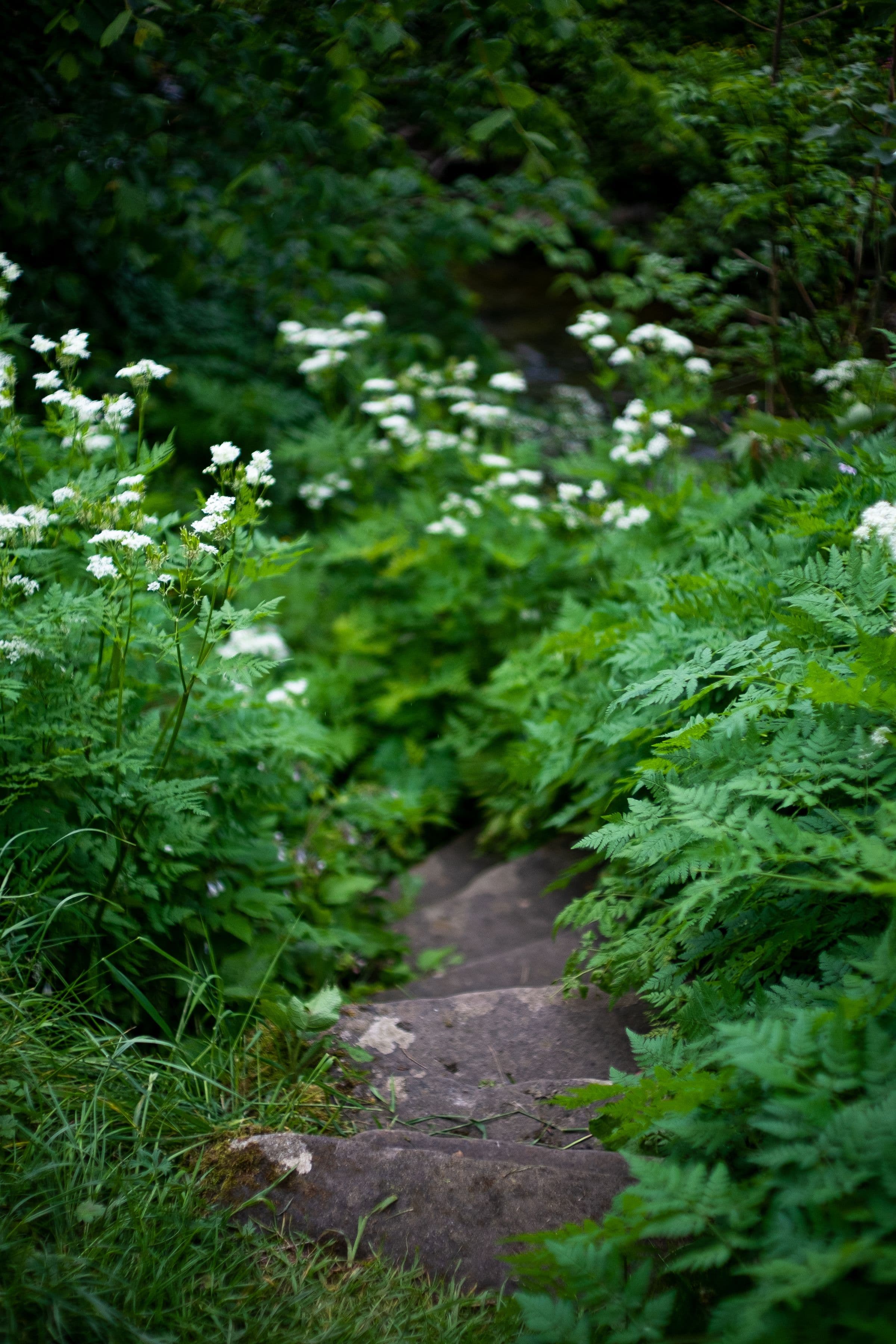
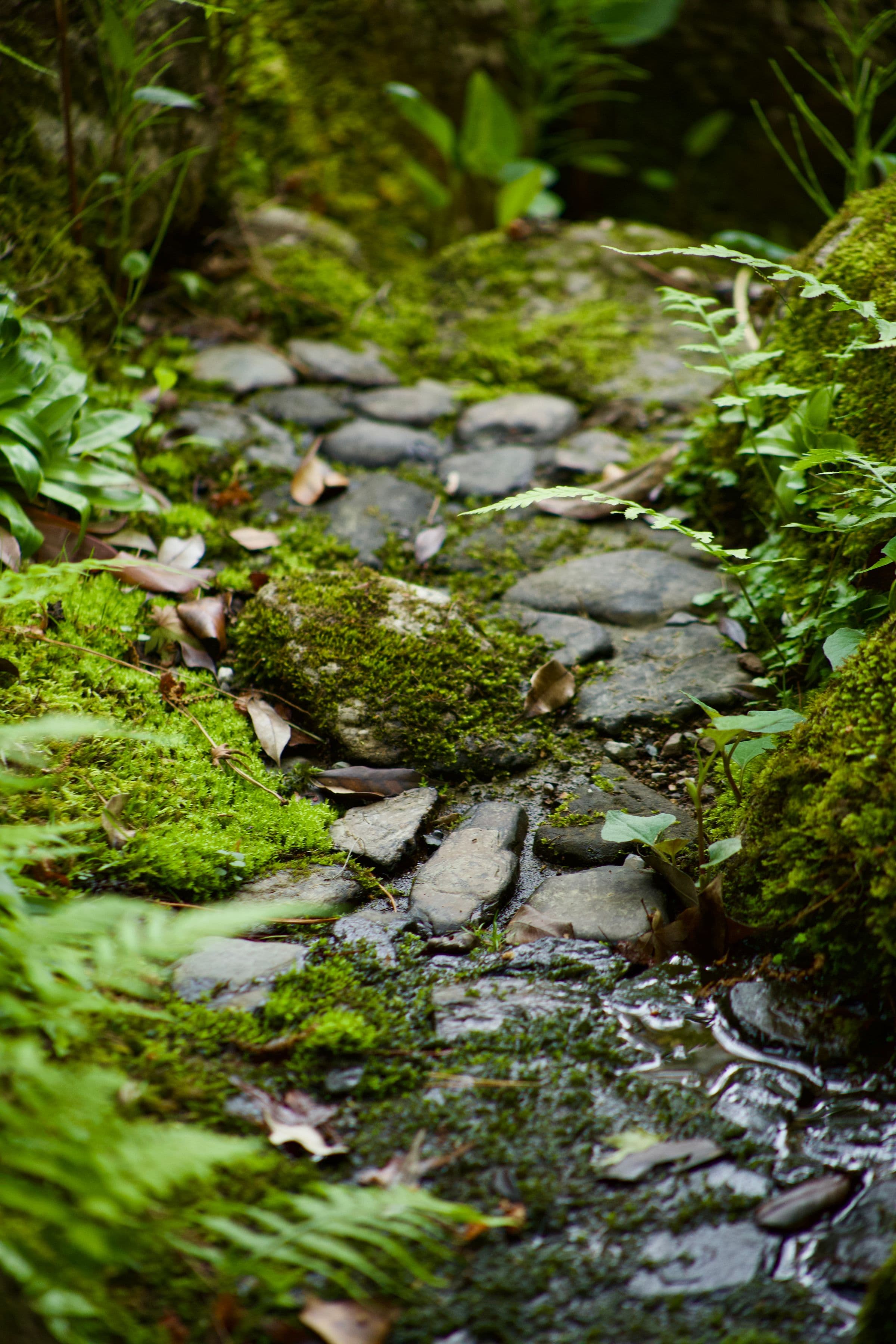
Every frame is labelled. The build photographs are in here too, because the fortnight where a garden is a trench is part of what you are buying.
Key — drawn at mature spread
- POM×3Polystichum munitum — western sword fern
- BLS×2Struthiopteris spicant — deer fern
- ASC×2Asarum caudatum — western wild ginger
- TEG×2Tellima grandiflora — fringecup
- MAN×2Berberis nervosa — Cascade Oregon grape
- GAS×2Gaultheria shallon — salal
- HEH×1Helleborus × hybridus — Lenten rose
- ACC×1Acer circinatum — vine maple
Solid outlines are evergreen. Dashed outlines lose their leaves — which is what a plan should tell you before you build it, not after your first winter.
The ground, and the water
Missoula Flood silt with a decent structure, but bone dry under the canopy from mid-June. Three inches of compost, laid on rather than dug in, and a further inch every spring since.
Drip irrigation on a separate zone from the rest of the garden, run deep and infrequently. It has been reduced twice as the planting matured and now runs eight times a summer.
What we would do differently
We planted the wild ginger too far apart. We were being careful about the tree roots and we spaced it at eighteen inches, and it took five years to knit rather than three. At twelve inches it would have cost another four hundred dollars and closed two years sooner.
The backbone of the planting
- POMPolystichum munitumwestern sword fern3.5 × 4 ft at maturity
- BLSStruthiopteris spicantdeer fern2 × 2.5 ft at maturity
- ASCAsarum caudatumwestern wild ginger0.6 × 4 ft at maturity
- TEGTellima grandiflorafringecup2.5 × 1.5 ft at maturity
- MANBerberis nervosaCascade Oregon grape2.5 × 3 ft at maturity
- GASGaultheria shallonsalal4 × 6 ft at maturity
- HEHHelleborus × hybridusLenten rose2 × 2.5 ft at maturity
- ACCAcer circinatumvine maple18 × 16 ft at maturity
Yours would be drawn the same way.
A measured base plan, a planting plan at mature spread, and a written note on what the garden will look like in year one so that nothing about the first winter is a surprise.