- Sheet
- L-5.1
- Subject
- Ground conditions — Lake Oswego
- Locality
- Clackamas County
Landscape design and build in Lake Oswego.
Big treed lots on weathered basalt, a deer herd that lives here rather than passes through, and a tree ordinance that shapes the design before the first line is drawn.
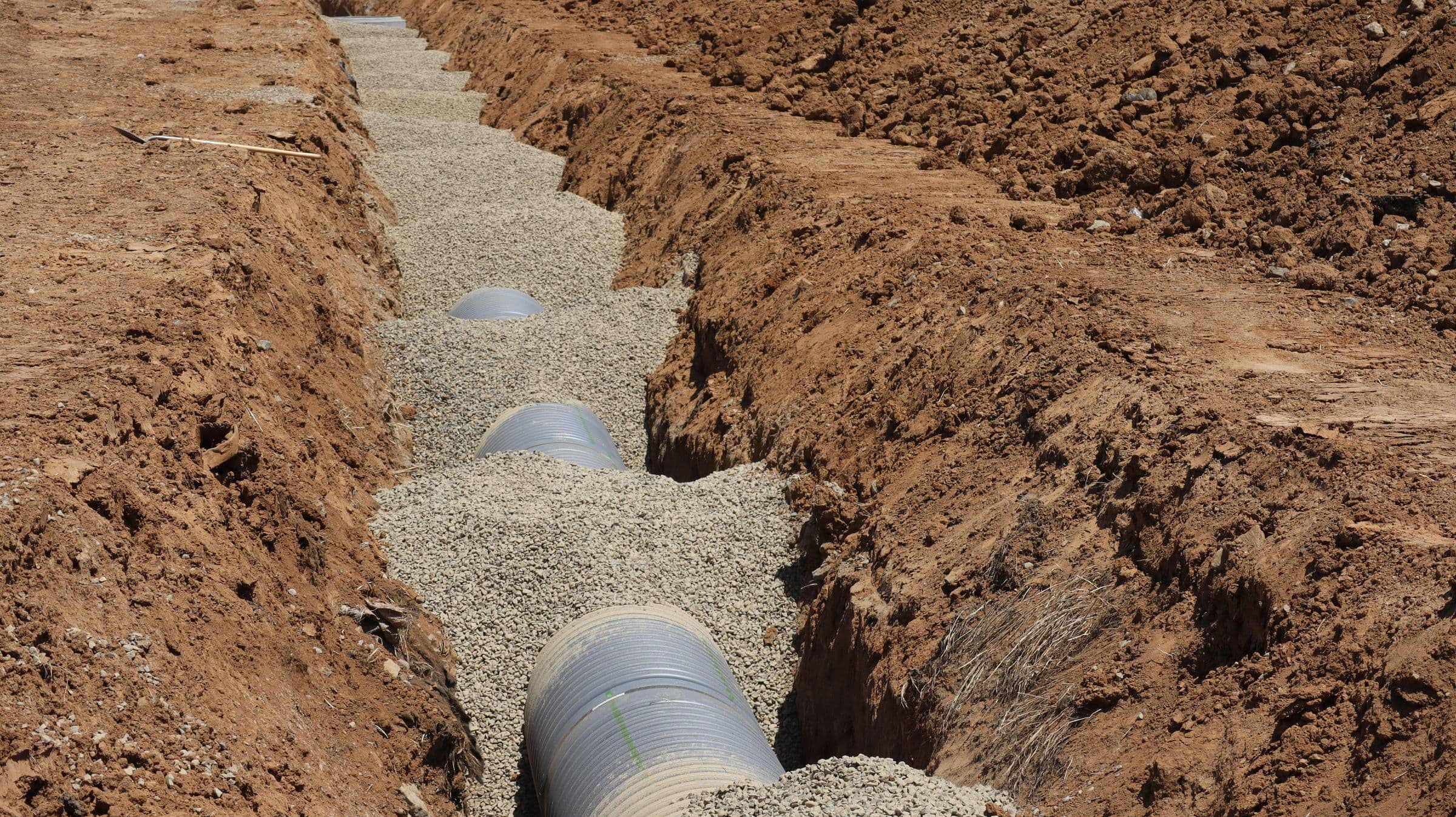
Red clay, and it is not a metaphor
Lake Oswego sits on the eastern foothills of the Tualatin Mountains, and the soil is largely clay weathered out of basalt — iron-rich, orange-red, and heavy. It holds water through the winter and sets hard enough in August to blunt a spade.
That clay is not a problem to be solved so much as a material to be worked with. Amending an entire garden to a depth that would change its behaviour is not affordable and would not last. What works is choosing plants that tolerate winter-wet and summer-dry in the same season, and raising the beds where you need something that will not.
Water arrives from uphill, whether or not it is yours
On sloping lots the water that ruins a bed usually fell on somebody else's roof. Before we design planting on a slope here we work out where the water enters the property, not just where it collects, because intercepting it high is cheap and dealing with it at the bottom is not.
Deer
Resident herds, browsing year round, and they teach their fawns the route. Plant lists here get written around that from the first draft — not fixed afterwards with spray, which works until it rains.
The lots
Often a third of an acre and up, heavily wooded, and frequently sloping enough that access for a machine is the first thing we assess. On the steeper Palisades and Forest Highlands lots, how material gets to the back garden can move a budget more than the planting does.
The tree code is the real constraint
Lake Oswego regulates tree removal more tightly than anywhere else in the metro, and it applies to healthy trees on private land. Permits, mitigation planting and review time are all real. We design around the trees that are staying, and where something genuinely has to come out we build the application timeline into the schedule rather than discovering it in March.
Watch for
People budget for the plants and not for the permit
The most common way a Lake Oswego project slips is not cost. It is a tree permit that takes six weeks nobody planned for, in the only six weeks of the year that were any good for planting. Ask any firm bidding your job when they intend to submit it.