- Sheet
- L-7.0
- Subject
- About and contact
- Locality
- Portland, Oregon
- Scale
- Since 2013
A small firm that draws its own plans and builds its own work.
Nine people. Two designers, a foreman, four on the crew and somebody who keeps the whole thing scheduled. We build about fourteen gardens a year, which is fewer than we could, and it is deliberate.
We started in 2013 doing planting plans for other people’s builds, and stopped because we kept watching good drawings get put into ground that had not been prepared. Designing and building under one roof is the only way to be accountable for whether a garden is alive in year five, and being accountable for that is the entire proposition.
The name is Gaultheria shallon. Salal is the plant that does nothing for three years — you plant it, you water it, you begin to think you were sold a dud — and then it takes over and you spend the next decade cutting it off the path. That is the argument this firm makes about gardens, and it seemed easier to name ourselves after it than to explain it every time.
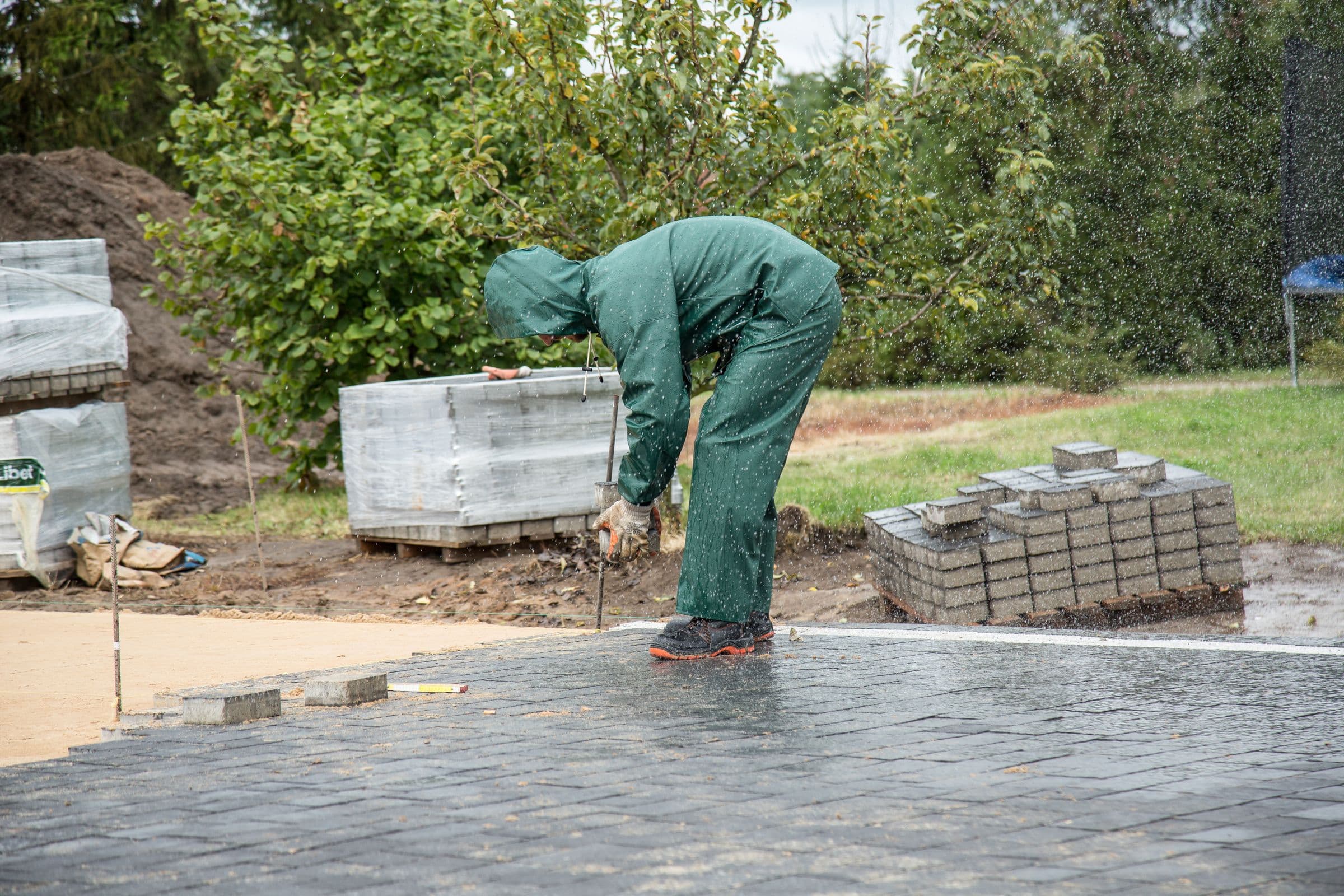
What a garden needs in its first three years.
We say elsewhere on this site that a new planting needs care. Raising that and then leaving you to work it out would be worse than never raising it, so here is the whole of it, and what it costs.
And if it does not get any of that?
Specifically, this: bindweed and blackberry establish in the open ground before the planting closes over it. The plants that were meant to knit together do not, because half of them are competing with weed roots instead of growing. By year three you have a bed with permanent gaps and a perennial weed problem that costs more to fix than three years of maintenance would have.
That is the honest answer, and it is why we would rather have this conversation at the quoting stage than in year two.
So we offer it, and here is the price.
Establishment care — every three weeks March to October, monthly November to February, at about $340 a visit. On a $60,000 garden that is roughly $6,800 a year. It is not a subscription, there is no contract, and you can stop it at the end of any season.
If you would rather do it yourself — and plenty of our clients are better gardeners than we are — we will spend two hours with you in the garden in April of year one, showing you what to cut, what to leave and what the weeds look like before they are obvious. That is included in every build, and most people who take it never need us again.
If you would rather someone else did it, ask and we will give you the names of two firms we would trust with our own work. We are not offended, and it is a better outcome than a garden nobody is looking after.
- Sheet
- L-7.1
- Subject
- Start a design
Start a design.
The first step is a site visit. We walk the garden, dig a hole, and tell you what we think before anybody signs anything or pays for anything.
If we are not the right firm for your project we will say so at that visit, and usually suggest who is. We would rather do that than take a design fee for a job we are not suited to.