- Sheet
- L-4.1
- Subject
- The garden the deer walk through
- Locality
- Skyline, West Hills
- Scale
- Installed 2023
Year three
The garden the deer walk through
A new-build on a ridge with resident deer, a west-facing slope, and no soil to speak of after construction.
This is the youngest garden on this page and it is here deliberately, because a young garden is what a young garden looks like, and pretending otherwise is this industry's whole problem.
The deer here are not visitors. They bed down on the property. So the plant list was written around them from the first draft rather than corrected afterwards — no hostas, no roses, no arborvitae, nothing that would need spraying every three weeks for the rest of the owners' lives.
The soil was the real work. A new-build ridge lot after construction is subsoil compacted by tracked machinery, and no plant list survives that. We decompacted to eighteen inches across the planted areas and imported three hundred yards of compost, which was twenty-two per cent of the budget and is the reason anything is alive.
Across 3 years
Every frame is labelled. The build photographs are in here too, because the fortnight where a garden is a trench is part of what you are buying.
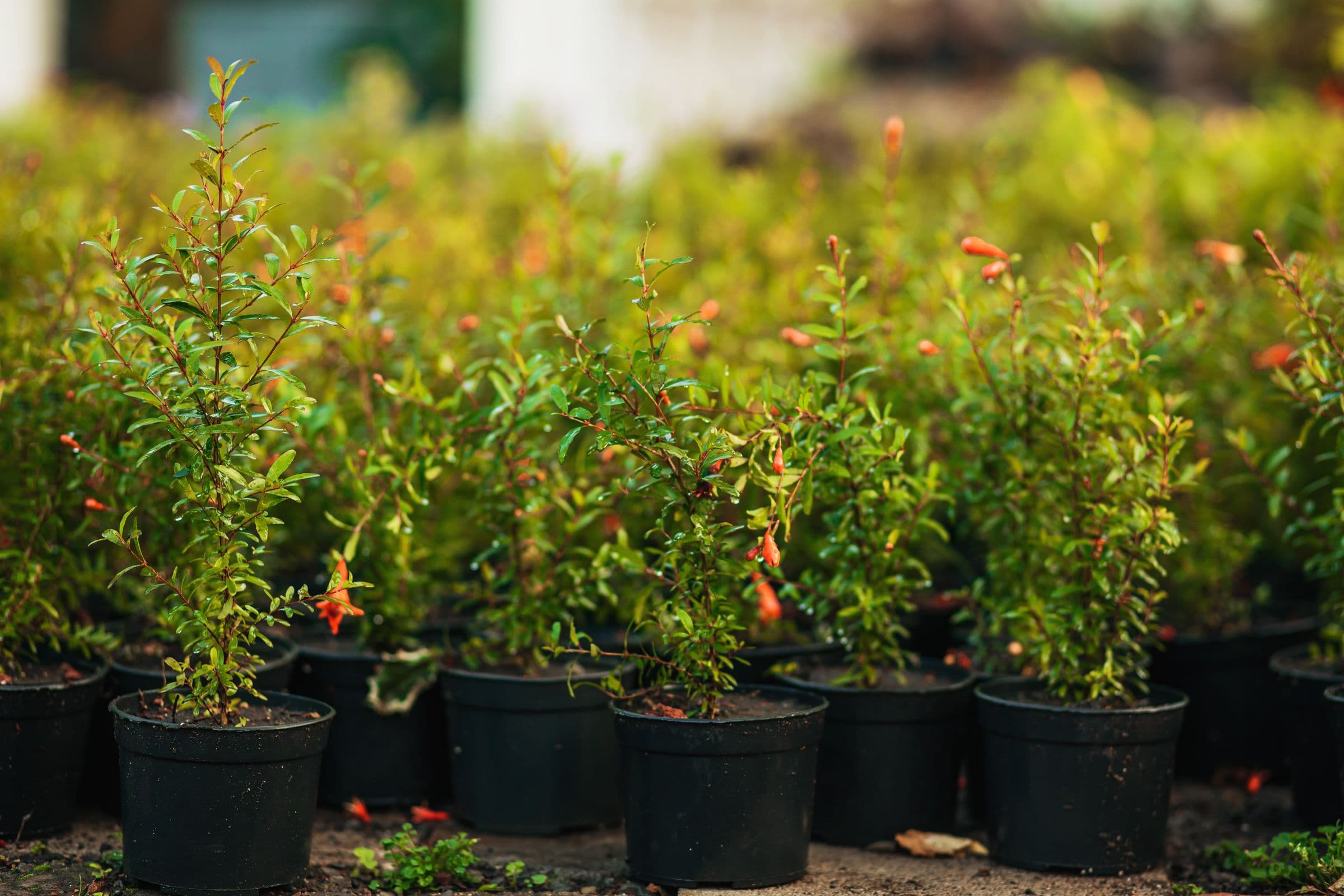
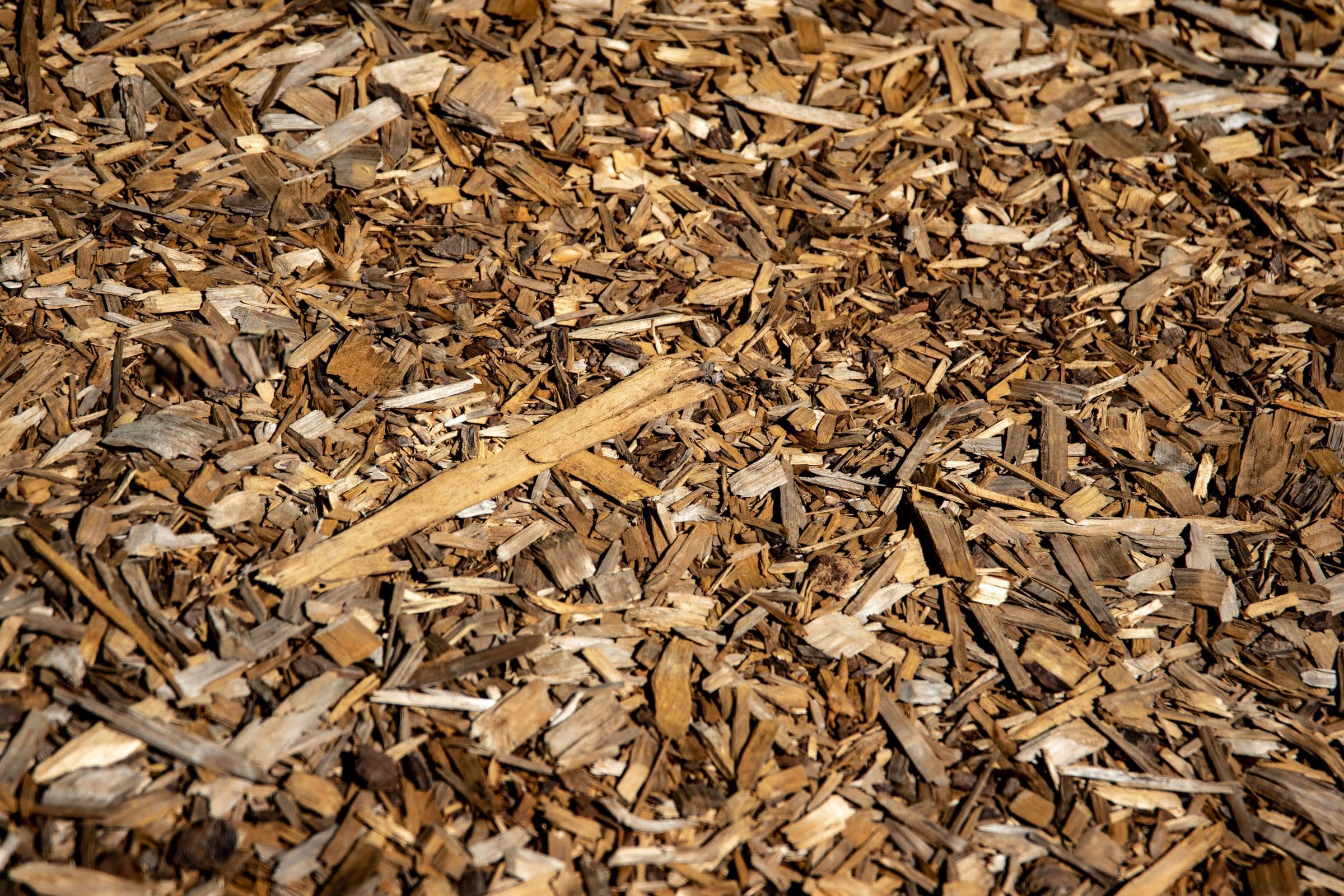
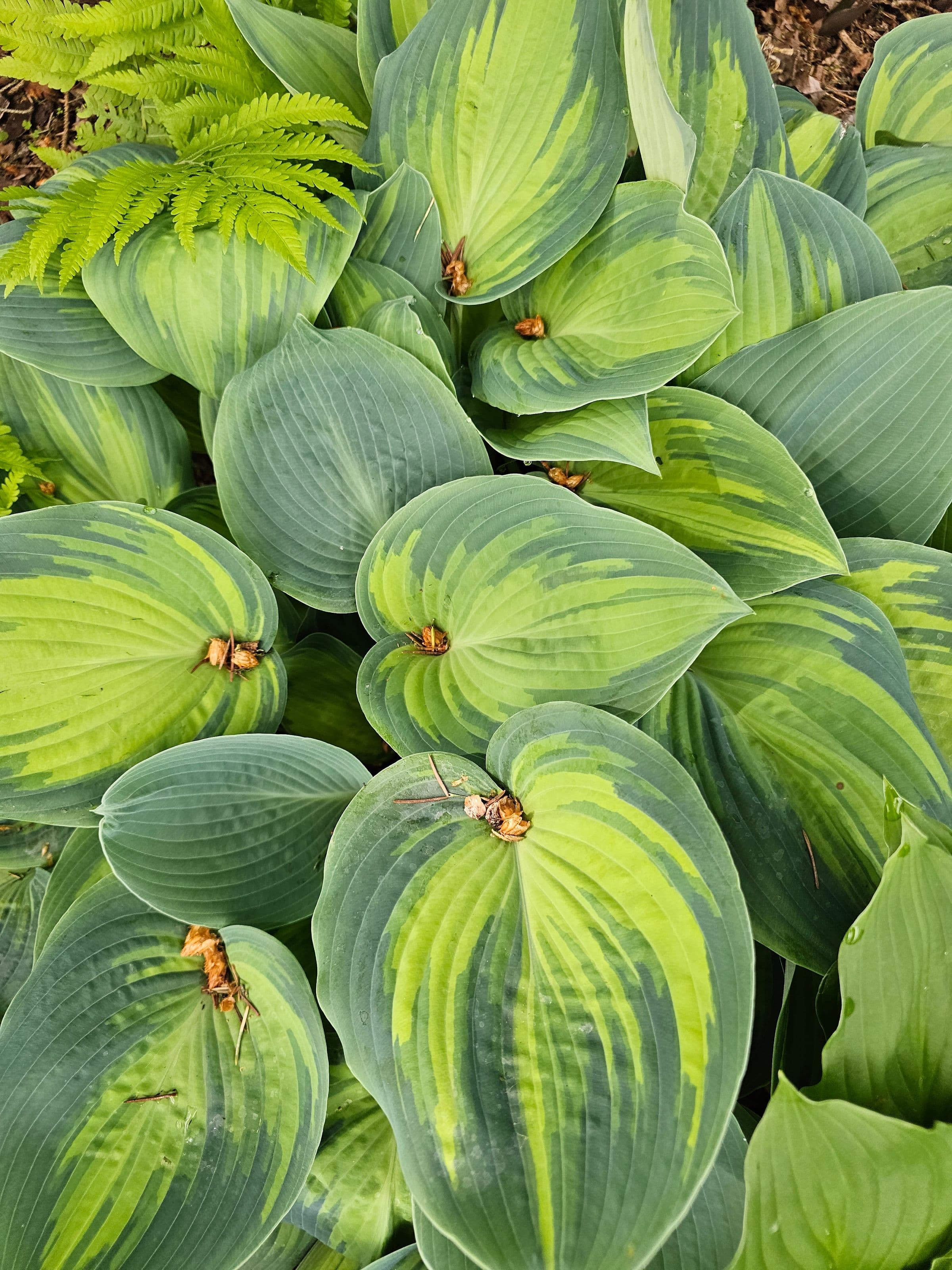
Key — drawn at mature spread
- ARA×3Arctostaphylos × 'Austin Griffiths' — manzanita
- CET×2Ceanothus thyrsiflorus 'Victoria' — California lilac
- MAA×2Berberis aquifolium — tall Oregon grape
- MAN×2Berberis nervosa — Cascade Oregon grape
- SEA×3Sesleria autumnalis — autumn moor grass
- ERU×2Eriogonum umbellatum — sulphur buckwheat
- ARU×2Arctostaphylos uva-ursi — kinnikinnick
- GAS×2Gaultheria shallon — salal
Solid outlines are evergreen. Dashed outlines lose their leaves — which is what a plan should tell you before you build it, not after your first winter.
The ground, and the water
Compacted construction subsoil. Decompacted to eighteen inches, three hundred yards of compost incorporated, and no irrigation planned beyond establishment.
Temporary drip for three summers, designed to be removed. The planting is chosen so that it does not need permanent irrigation once established, which on a west-facing ridge means accepting a narrower plant list.
What we would do differently
Nothing yet, and that is not a boast — it is too early to know. Ask us in year five. The honest answer while it is this young is that we will not know whether the manzanitas are in the right place until they have been through a wet winter with mature root systems.
The backbone of the planting
- ARAArctostaphylos × 'Austin Griffiths'manzanita8 × 7 ft at maturity
- CETCeanothus thyrsiflorus 'Victoria'California lilac8 × 8 ft at maturity
- MAABerberis aquifoliumtall Oregon grape7 × 5 ft at maturity
- MANBerberis nervosaCascade Oregon grape2.5 × 3 ft at maturity
- SEASesleria autumnalisautumn moor grass1.5 × 2 ft at maturity
- ERUEriogonum umbellatumsulphur buckwheat1.5 × 2.5 ft at maturity
- ARUArctostaphylos uva-ursikinnikinnick0.8 × 6 ft at maturity
- GASGaultheria shallonsalal4 × 6 ft at maturity
Yours would be drawn the same way.
A measured base plan, a planting plan at mature spread, and a written note on what the garden will look like in year one so that nothing about the first winter is a surprise.